
Turismo Regenerativo
Conservation Tourism in Mexico: Experience Nature, Transform Communities
July 4, 2025
At Akampa, every experience drives a purpose: to connect travelers with nature in order to regenerate ecosystems and strengthen local communities in Mexico. We are not a travel agency—we are a conservation initiative sustained by tourism. Here, you’ll discover how your trip translates into real action to protect our environmental and cultural heritage.
1. What is conservation and regenerative tourism?
Conservation tourism seeks more than just enjoyment: visitors become an active part of caring for the environment. This approach is based on projects such as those carried out in the state of Yucatán or in coastal communities of Baja California Sur, where tourism generates jobs and promotes regenerative practices.
Regenerative tourism, in turn, goes even further: it aims to leave a place better than it was found. It is based on principles of ecological restoration, investment in communities, and a circular economy.
2. Why Mexico Is an Ideal Destination for This Model
A wealth of protected ecosystems: from the Sonoran Desert to Magdalena Bay, Mexico offers iconic landscapes that have embraced tourism as a tool for conservation.
Successful community-based models: In Baja California Sur, the transition from hunting to sea turtle conservation demonstrates that tourism can replace extractive systems with sustainable models.
Certifications and best practices: Regions such as Baja California have earned Blue Flag certification, demonstrating that clean beaches managed according to environmental criteria attract high-quality tourism. (El País, 2024)
3. The Direct Impact of Your Trips with Akampa
Environmental Conservation: You help fund projects to protect flora, fauna, and critical ecosystems.
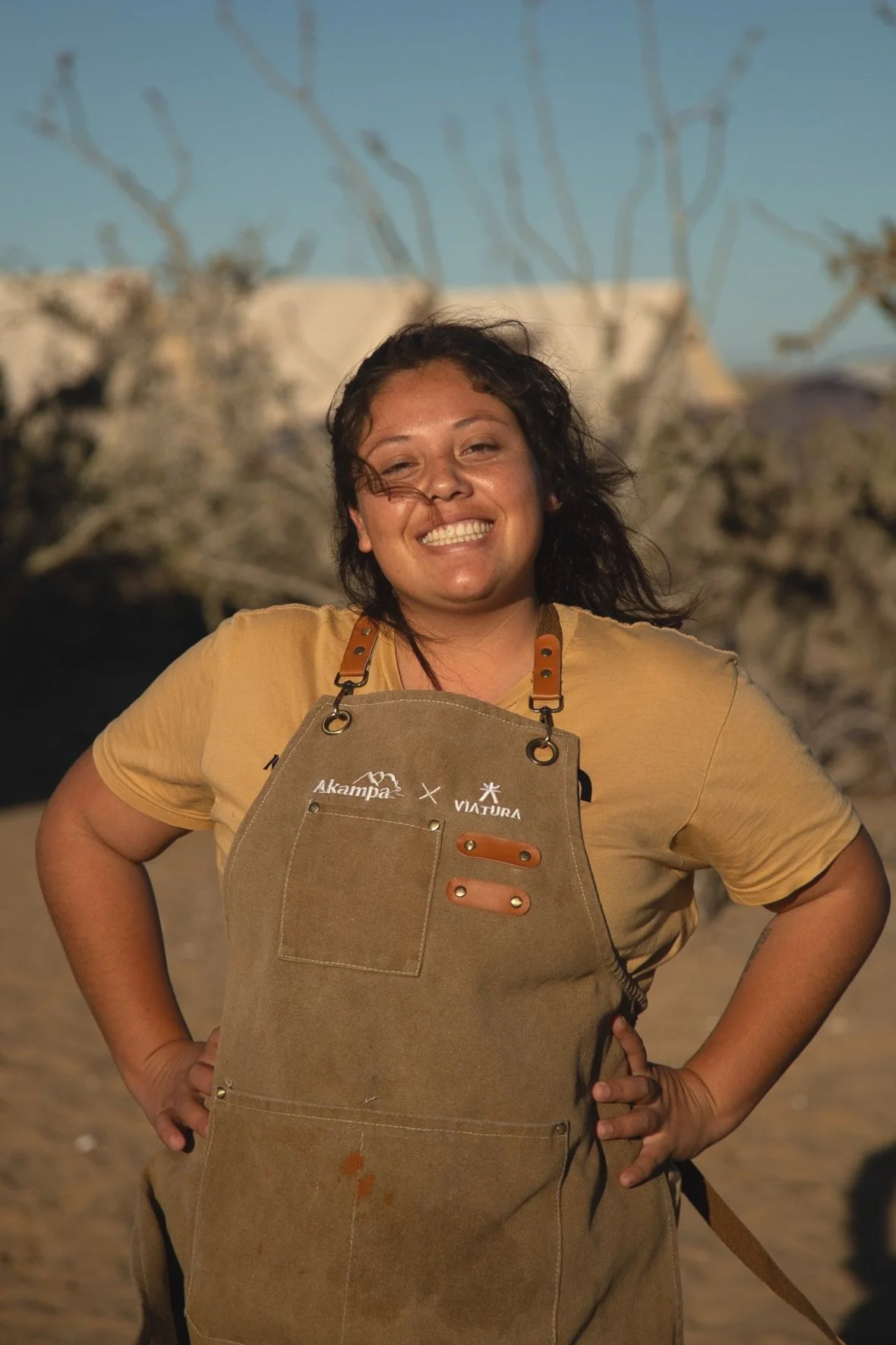
Community Empowerment: The revenue directly benefits local families, supporting initiatives such as sea turtle monitoring and nature guiding.
Education and Awareness: You enrich your experience by learning about the ecological, cultural, and historical value of the area.
Regenerative Model: We implement practices that restore the environment, creating a mutually beneficial cycle.